📌 Disclaimer
Prices, schedules, tour details, flight routes, visa requirements, and all other information on this page are based on data at the time of writing. Fares, availability, and policies may change. Please verify current details on the official website before booking.
As I stepped off the plane in Bali , the scent of frangipani flowers wafted through the air, and the sound of gentle waves lapping against the shore greeted me. This island, known for its lush landscapes and warm hospitality, has become a hotspot for digital nomads like myself, seeking a balance between work and leisure. With a unique blend of natural beauty and modern amenities, Bali offers an environment that fosters creativity and productivity. In this guide, I’ll share my insights on why Bali is a top choice for remote workers, covering everything from coworking spaces to the cost of living.
Why Digital Nomads Choose Bali#
Bali’s appeal to digital nomads is multifaceted. The island boasts a variety of coworking spaces that cater to different needs, from quiet corners for focused work to lively communal areas that spark collaboration. The stunning scenery, with its rice terraces and beaches, provides an inspiring backdrop for any workday. Furthermore, the local community is welcoming, creating an environment where people can easily connect and share ideas.

However, it’s essential to acknowledge that Bali can be quite crowded, especially in tourist hotspots like Kuta and Seminyak. This can lead to noise and distractions, particularly if you prefer a quieter work environment.
Tip: To avoid the crowds, consider staying in less touristy areas like Ubud or Canggu, where you can find both tranquility and access to coworking spaces.
Best Coworking Spaces in Bali#
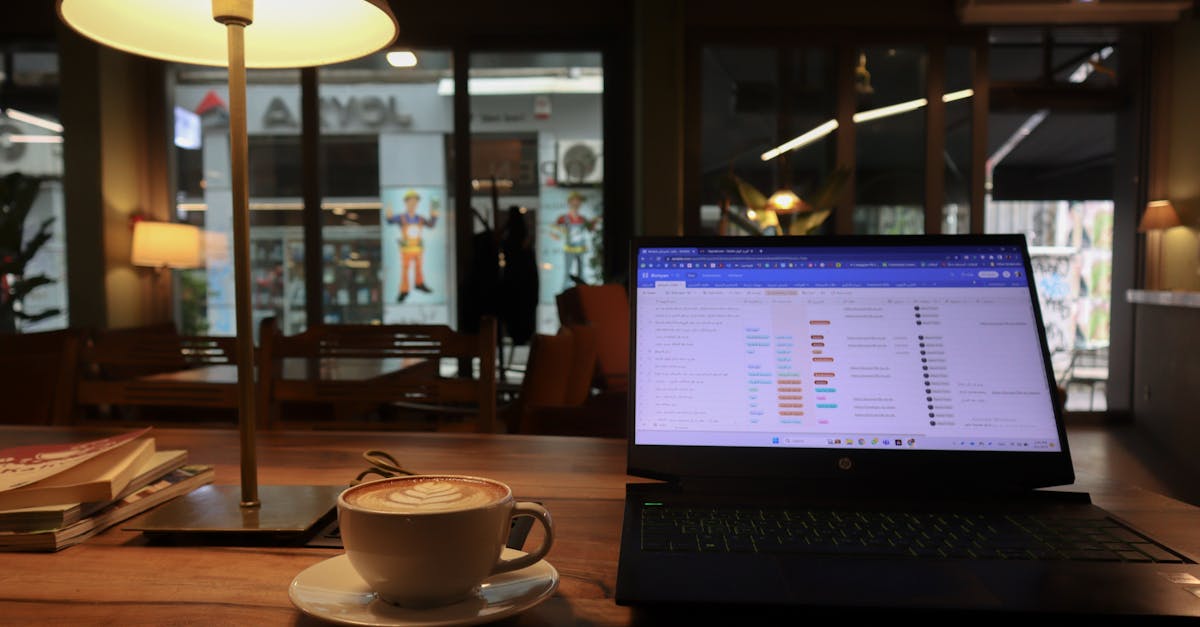
Finding the right coworking space can significantly impact your productivity. In Bali, you’ll discover a range of options tailored to various preferences. Many spaces offer high-speed internet, comfortable seating, and a sense of community. Some popular choices among remote workers include spaces that provide not just a desk but also opportunities for networking and workshops.
While I can’t list specific coworking spaces, I can say that you’ll find many in areas like Canggu and Ubud. These locations typically feature environments designed to enhance focus and creativity, often with beautiful views of the surrounding nature.
One downside is that some coworking spaces can be quite busy, especially during peak hours, which might affect your ability to find a quiet spot.
Tip: Arrive early to secure a good desk, or consider renting a private office if you need a quieter space for calls or deep work.
Internet SIM Cards and Connectivity#
Staying connected is crucial for any digital nomad, and Bali offers several options for mobile data. I’ve found that using an eSIM can be a convenient choice, especially if you’re traveling through different regions. Airalo provides various plans, including unlimited GB for 10 days and 20 GB for 30 days, allowing you to choose based on your data needs.

For those who prefer physical SIM cards, local providers are available at many shops and kiosks, often at competitive prices. However, be mindful that internet speeds can vary, especially in more remote areas.
Tip: Opt for the 20 GB Indonesia travel eSIM valid for 30 days if you plan to stay for an extended period; it offers a good balance of value and data.
Cost of Living for Nomads in Bali#
Living in Bali can be quite affordable compared to many Western countries. For instance, a cheap meal costs around 30,000 IDR (~$1.80), while a mid-range meal for two is approximately 475,000 IDR (~$28). If you’re a coffee lover, a cappuccino will set you back about 27,750 IDR (~$1.67).
When it comes to accommodation, a one-bedroom apartment in the city center averages 6,385,714 IDR (~$383), while one outside the center is about 2,847,500 IDR (~$171). Monthly internet costs around 309,429 IDR (~$19), and a gym membership is approximately 360,000 IDR (~$22).
Creating a budget is essential, and here’s a rough breakdown of monthly expenses for a comfortable lifestyle:
- Accommodation: 6,385,714 IDR (~$383)
- Food (mid-range meals): 1,425,000 IDR (~$85)
- Internet: 309,429 IDR (~$19)
- Gym: 360,000 IDR (~$22)
Total: Approximately 8,480,143 IDR (~$508)
While Bali is generally affordable, it’s important to note that prices can vary significantly depending on location and lifestyle choices.
Tip: Consider cooking at home to save on food costs; local markets offer fresh ingredients at reasonable prices.
Visa and Stay Options#
Navigating visa requirements can be a bit tricky, but Bali offers several options for digital nomads. If you’re from countries like the United States , Canada , or Australia , you can enter Indonesia with a visa on arrival, which allows you to stay for 30 days. This can be extended for another 30 days if needed.
For those planning a longer stay, exploring options like the social visit visa or the upcoming digital nomad visa may be worthwhile. However, it’s crucial to stay updated on regulations, as they can change frequently.
One challenge is that visa regulations can sometimes be confusing, and it’s easy to miss deadlines for extensions or renewals.
Tip: Keep a calendar reminder for visa expiration dates to avoid any last-minute rush or complications.
Neighborhoods and Where to Stay#
Bali is a diverse island with various neighborhoods, each offering a different atmosphere. Ubud is known for its artistic vibe and wellness retreats, making it ideal for those looking to balance work with relaxation. Canggu, on the other hand, is popular among younger crowds and surfers, with plenty of cafes and coworking spaces.
Kuta is more touristy and can be noisy, while Seminyak offers a mix of luxury and local culture. Each area has its pros and cons, so it’s essential to choose based on your lifestyle preferences.
A genuine downside is that some neighborhoods can be quite far from essential amenities, so consider proximity to grocery stores and coworking spaces when choosing where to stay.
Tip: Research each neighborhood before booking your accommodation to find the best fit for your work-life balance.
Tips for Digital Nomads in Bali#
Living and working in Bali can be an enriching experience, but it also comes with its own set of challenges. One common issue is the occasional power outage, which can disrupt your work. It’s wise to have a backup plan, such as working from a coworking space that has generators or battery backups.
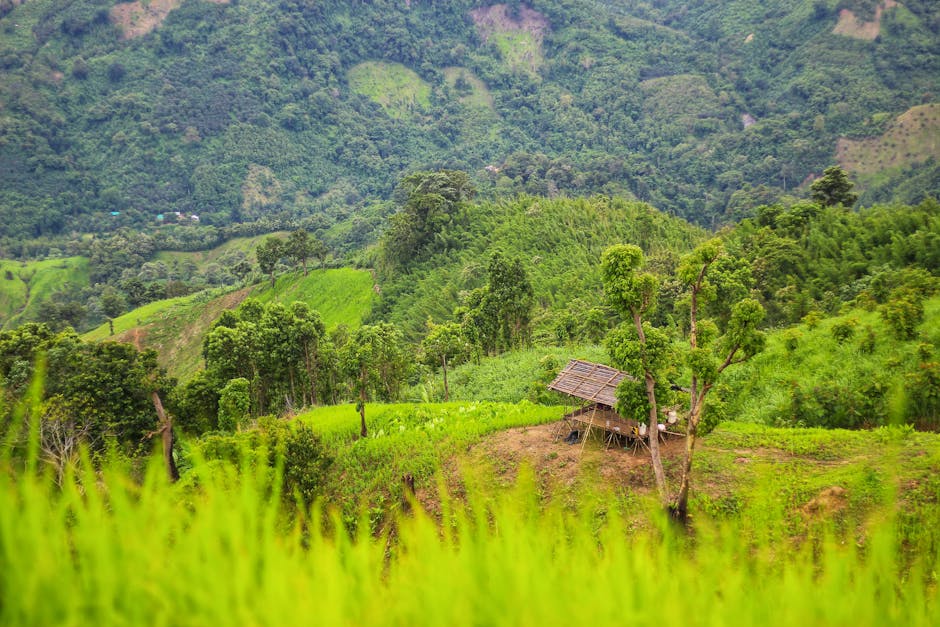
Additionally, while the island has a variety of cafes and restaurants, not all of them offer reliable Wi-Fi. It’s essential to scout out your go-to spots for both work and leisure.
Cultural differences can also be significant, so being respectful and aware of local customs is crucial. This not only helps in building relationships but also enhances your overall experience on the island.
Tip: Always carry a portable charger to keep your devices powered during unexpected outages, ensuring you stay productive.
Bali offers a unique environment for digital nomads, combining work and leisure in a way that few places can. With its affordable cost of living, lively coworking scene, and stunning natural beauty, it’s easy to see why so many choose to call this island home, even if only temporarily.
If you’re considering a move or an extended stay, take the time to explore the different neighborhoods, connect with fellow nomads, and enjoy the beautiful surroundings. Your journey in Bali could be the perfect blend of productivity and relaxation.
Ready to start your Bali adventure? Pack your bags and prepare for an experience that could change your work-life balance forever!
📌 Disclaimer
Prices, schedules, tour details, flight routes, visa requirements, and all other information on this page are based on data at the time of writing. Fares, availability, and policies may change. Please verify current details on the official website before booking.
📌 More about Bali