📌 Disclaimer
Prices, schedules, tour details, flight routes, visa requirements, and all other information on this page are based on data at the time of writing. Fares, availability, and policies may change. Please verify current details on the official website before booking.
Why Digital Nomads Choose Beijing#
Beijing’s appeal for remote professionals isn’t just about its iconic landmarks; it’s grounded in pragmatic factors that affect daily work. First, the city offers five distinct Airalo eSIM plans—ranging from a modest 3 GB for 30 days to an unlimited‑GB option for 10 days—so you can match data to the intensity of your workload without hunting for a physical SIM. Second, the visa landscape is surprisingly flexible for many Western passports: citizens of Australia , France, Germany, Ireland, Japan, the Netherlands , New Zealand, Singapore, and South Korea can enter visa‑free for up to 30 days, while U.S. travelers can obtain an e‑visa. Those conveniences cut down on paperwork and give you more time to focus on projects.

The downside is the city’s air quality, which can swing dramatically depending on the season. On high‑pollution days, you’ll need a reliable mask and may find outdoor cafés less inviting. Tip: Keep a high‑efficiency particulate‑air (HEPA) filter for your workspace and schedule indoor work sessions when the AQI spikes.
Best Coworking Spaces in Beijing#
Even without naming specific venues, Beijing’s coworking ecosystem is robust enough to accommodate a range of work styles. The city’s central business districts host modern spaces equipped with ergonomic furniture, fast wired internet, and meeting rooms that can be booked on the hour. Because the Airalo eSIM plans provide reliable cellular data, you can easily back‑up any work that relies on Wi‑Fi, making it simple to switch between a quiet lounge and a busy hub as your day demands.

A challenge many nomads encounter is the language barrier when booking a desk or navigating a building’s security system. Reception staff often speak limited English, and the entry process can involve scanning an ID card that may not be in your native language. Tip: Arrive with a printed copy of your passport and a translation app ready; a quick “你好 (nǐ hǎo)” goes a long way.
Internet SIM Cards and Connectivity#
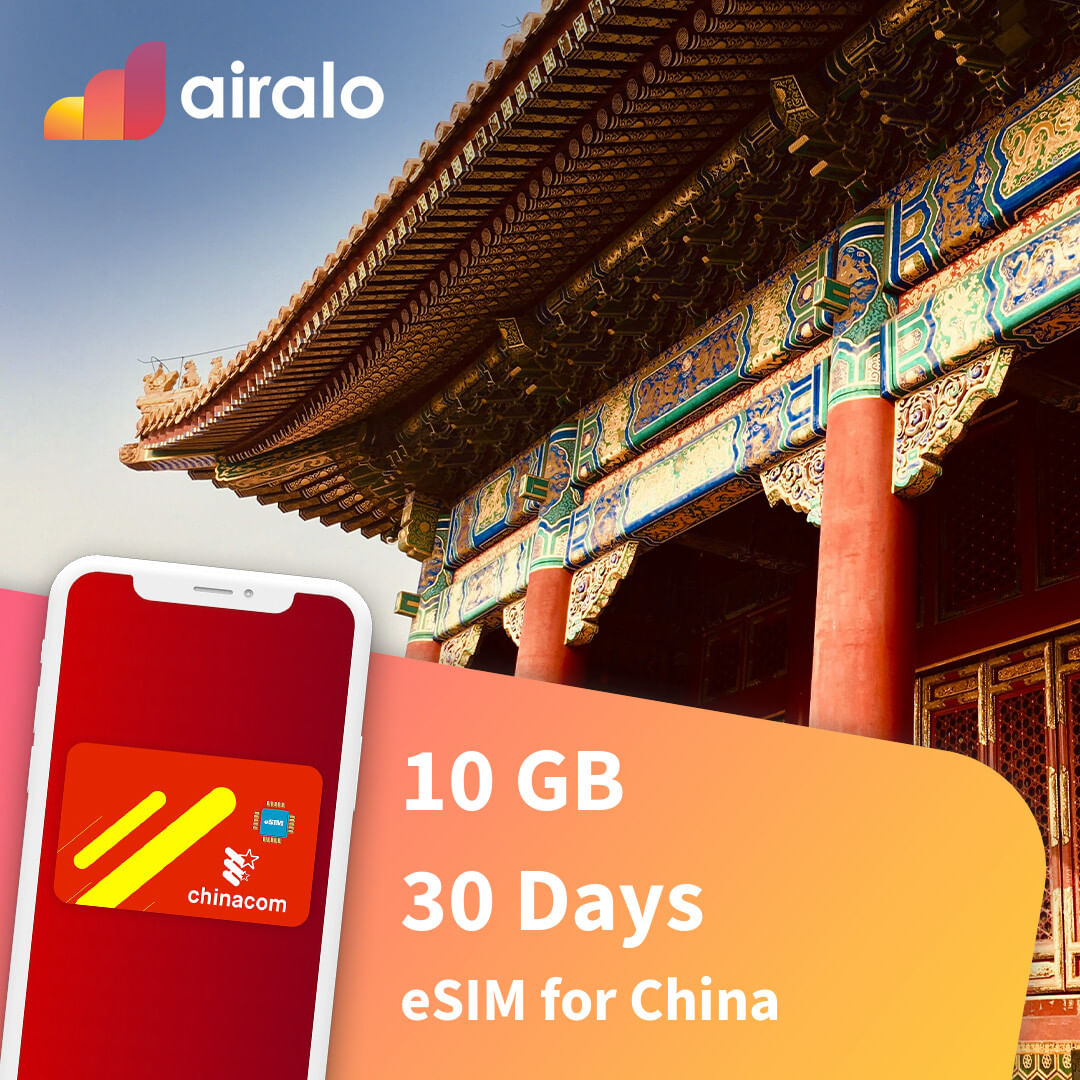
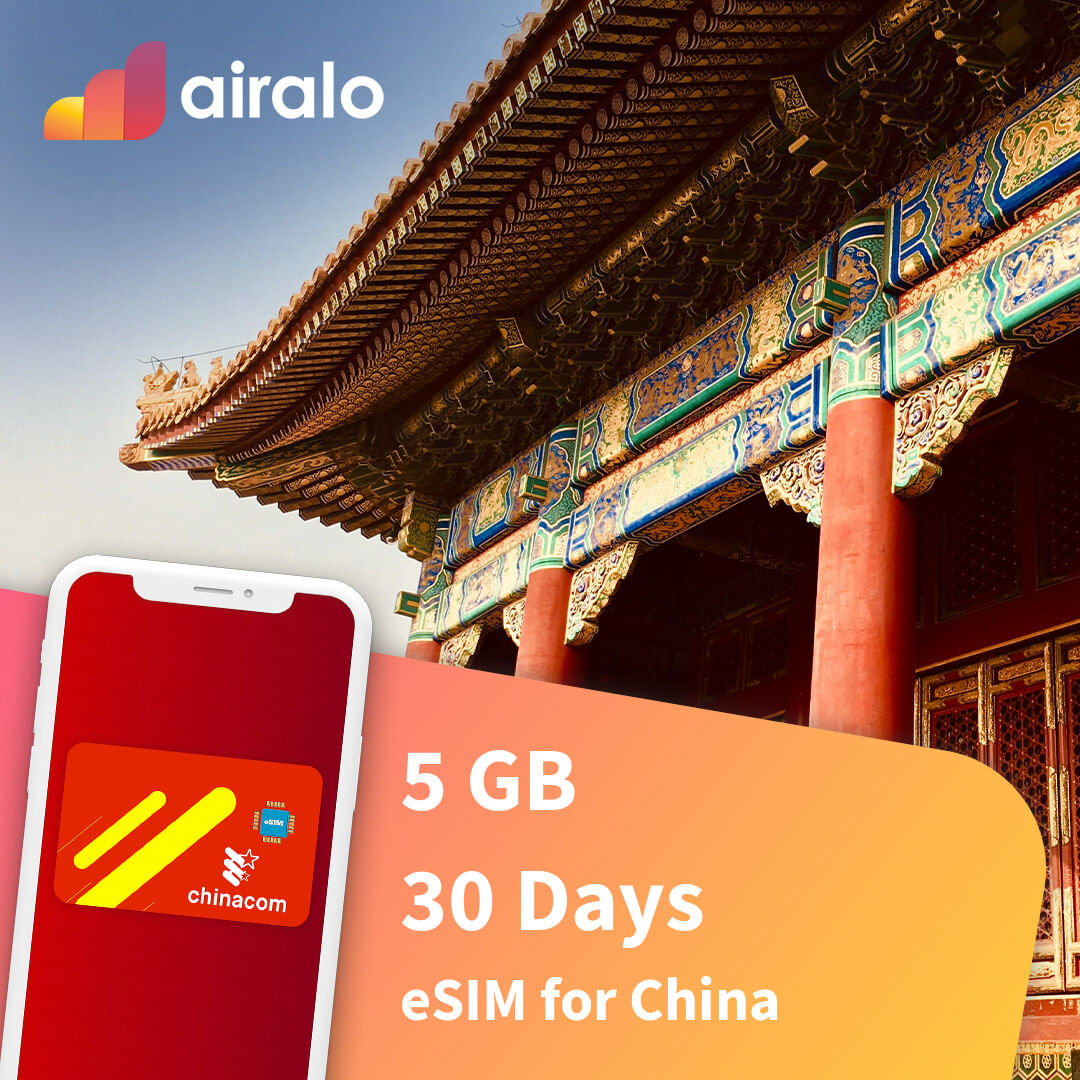
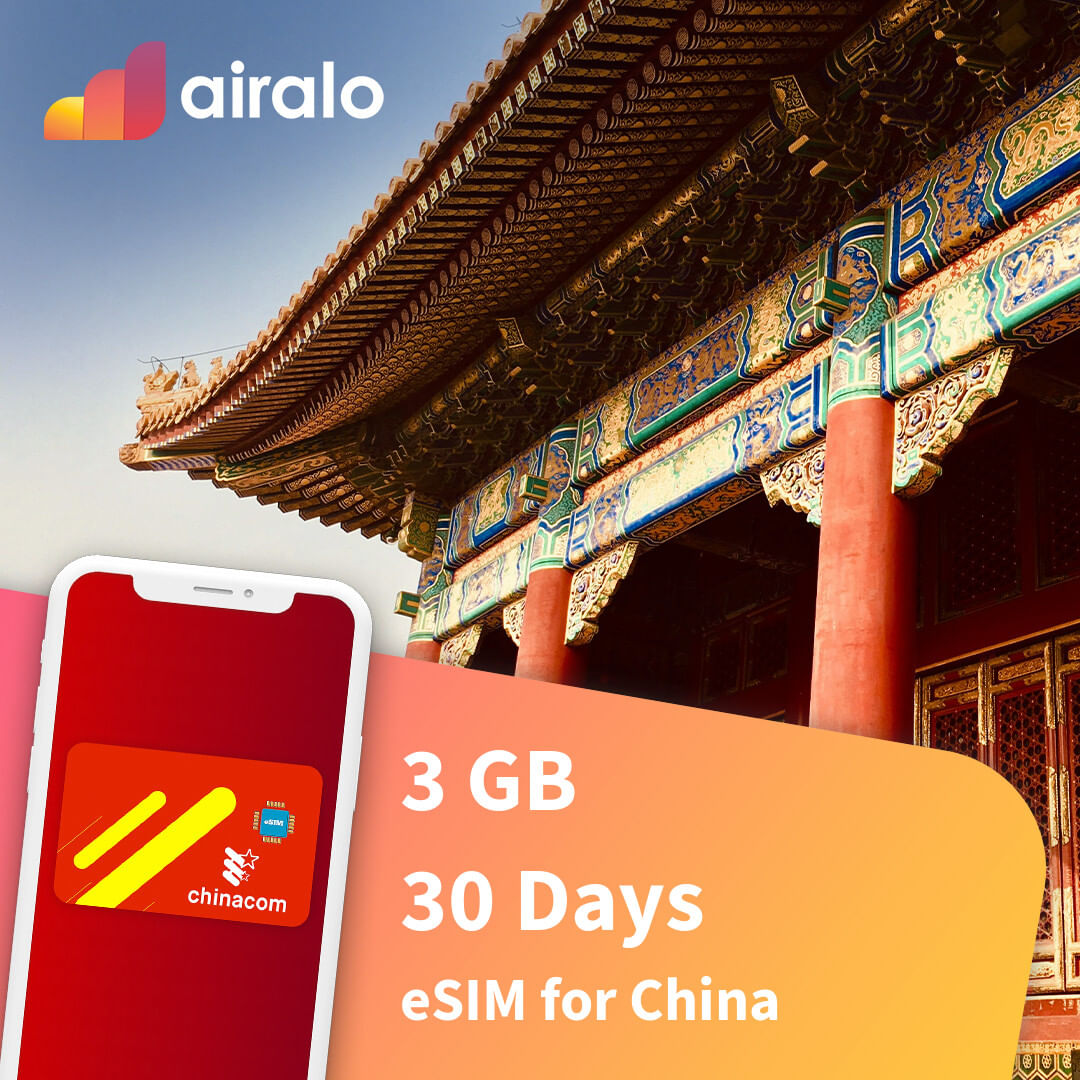
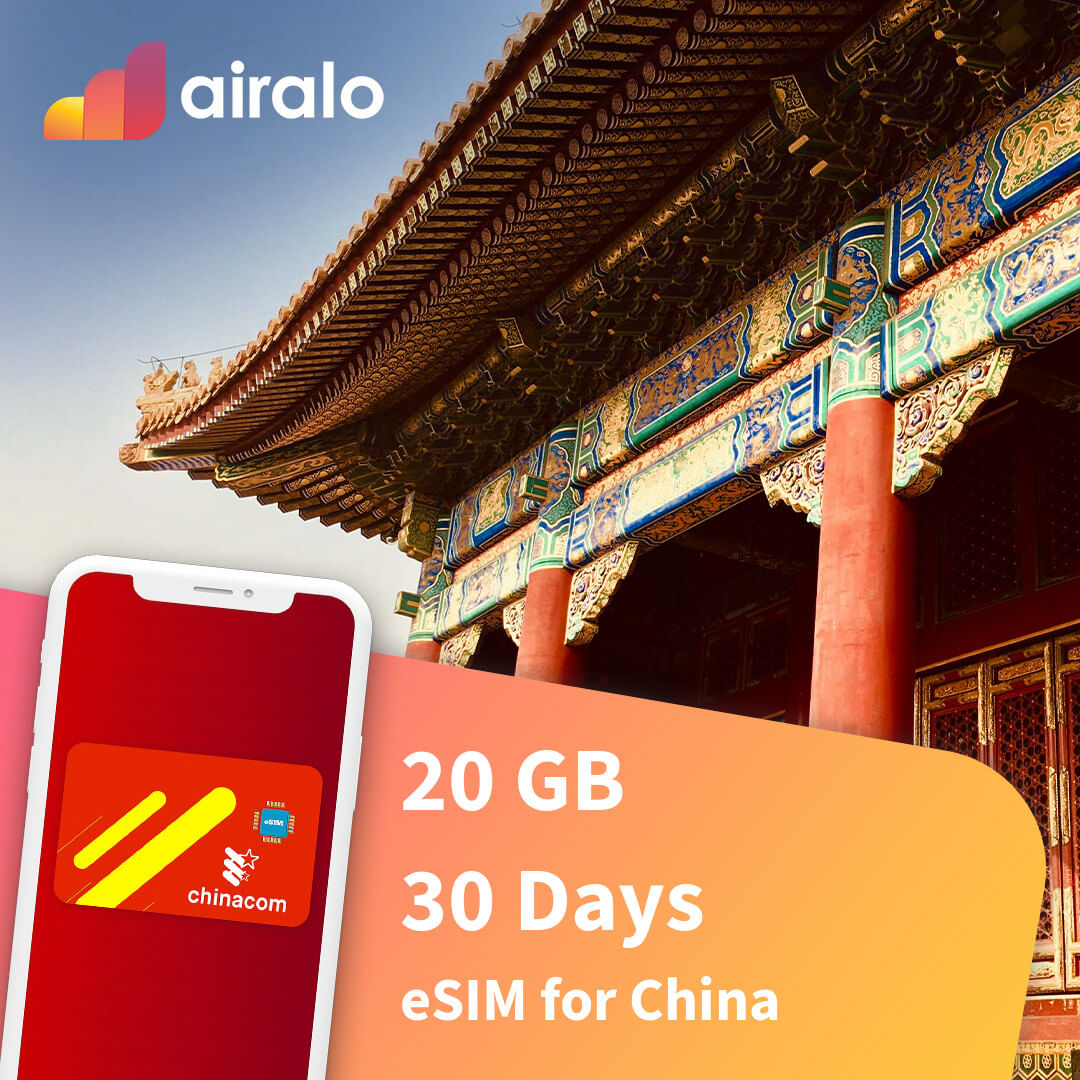
Staying online in Beijing is straightforward thanks to the five Airalo eSIM options tailored for travelers. The unlimited‑GB plan, valid for ten days, is perfect for heavy video‑conferencing or large file transfers, while the 20 GB, 10 GB, 5 GB, and 3 GB plans each cover a full month, giving you flexibility based on your anticipated usage. All plans operate on China’s major carriers, ensuring coverage across the city’s extensive subway network and most residential districts.

The only hiccup is the mandatory registration of any SIM card with a Chinese ID number. For eSIMs, the process is handled digitally, but you’ll still need to upload a passport scan and wait for verification, which can take a few hours. Tip: Purchase your eSIM before arrival and complete the registration as soon as you land to avoid any connectivity gaps during your first workday.
Cost of Living for Nomads in Beijing#
Beijing’s day‑to‑day expenses sit somewhere between the high‑end of Southeast Asian capitals and the more modest costs of Eastern Europe. While exact figures aren’t supplied, the presence of multiple affordable eSIM plans suggests that data costs are competitive, and the visa‑free 30‑day window for many nationalities means you can test the city without a long‑term financial commitment. On the ground, meals at local eateries can be dramatically cheaper than Western chain restaurants, and public transportation remains inexpensive relative to many global megacities.

The flip side is that housing in central districts can be pricey, especially if you aim for a short‑term lease that includes utilities. Tip: Look for shared apartments or sublet arrangements in outer districts like Haidian or Chaoyang, where rent is lower but the subway still connects you quickly to the city core.
Visa and Stay Options#
Navigating China’s entry requirements is essential before you pack your laptop. Travelers from the United States can apply for an e‑visa online, a process that typically takes a week and requires a scanned passport, a recent photo, and a brief itinerary. Citizens of Australia, France, Germany, Ireland, Japan, the Netherlands, New Zealand, Singapore, and South Korea enjoy a 30‑day visa‑free stay, which is ideal for a quick project sprint or a month‑long exploration. Canadians and United Kingdom nationals must secure a traditional visa in advance, often involving a visit to a Chinese consulate and a longer processing period.

One practical drawback is the limited number of entry points that accept e‑visas; most major airports do, but smaller regional airports may not, forcing you to route through Beijing Capital International Airport or the newer Daxing hub. Tip: Book your flight into one of the e‑visa‑friendly airports and keep a printed copy of your e‑visa approval on hand for immigration checks.
Neighborhoods and Where to Stay#
Choosing a base in Beijing depends on how you balance work needs with lifestyle preferences. The Chaoyang district, home to many diplomatic missions and multinational offices, offers a mix of modern high‑rise apartments and easy access to international schools, making it a practical choice for longer stays. Haidian, known for its universities and tech parks, provides a youthful atmosphere and a range of affordable cafés that welcome laptops. If you prefer a quieter environment, the historic hutong lanes around the Dongcheng area deliver traditional courtyard houses that have been converted into boutique rentals.

However, the sheer size of the city means commute times can be unpredictable, especially during rush hour when the subway reaches capacity. Tip: Test the commute from your prospective neighborhood to your preferred coworking spot during peak times before signing a lease; a short walk to a subway line can save you an hour each day.
Tips for Digital Nomads in Beijing#
Beyond the basics of connectivity and visa compliance, a few nuanced habits can smooth your remote‑work experience. First, adopt a flexible schedule that respects local holidays like the Chinese New Year, when many businesses shut down for a week and the city’s rhythm changes dramatically. Second, keep a stash of local cash (Renminbi) because smaller vendors and street food stalls often don’t accept foreign cards. Finally, familiarize yourself with the “Great Firewall” restrictions; many Western services (Google, YouTube, Slack) are blocked, so a reliable VPN is indispensable for uninterrupted workflow.
The main challenge here is the legal gray area surrounding VPN usage; while many expats use them without issue, the government periodically cracks down on unregistered services. Tip: Choose a reputable VPN provider that offers obfuscation features and set it up before you arrive to avoid connectivity surprises.
If you’re ready to trade your usual backdrop for Beijing’s blend of ancient avenues and ultra‑fast data, start by securing the appropriate eSIM plan and confirming your visa status. The city’s infrastructure can support a demanding remote schedule, and with a few practical adjustments, you’ll find yourself thriving amid one of the world’s most dynamic urban landscapes. Safe travels, and may your next project launch from the heart of China’s capital.
📌 Disclaimer
Prices, schedules, tour details, flight routes, visa requirements, and all other information on this page are based on data at the time of writing. Fares, availability, and policies may change. Please verify current details on the official website before booking.
Top Tours & Activities

📌 More about Beijing