📌 Disclaimer
Prices, schedules, tour details, flight routes, visa requirements, and all other information on this page are based on data at the time of writing. Fares, availability, and policies may change. Please verify current details on the official website before booking.
As I stepped off the plane at Incheon International Airport, the crisp air filled my lungs, carrying with it the unmistakable scent of street food wafting through the terminal. Seoul is a city that engages all your senses, from the lively neon lights of the streets to the rich aroma of kimchi simmering in a local restaurant. This capital of South Korea is not just a hub for technology and innovation; it has also become a thriving environment for digital nomads seeking a balance between work and leisure.
Why Digital Nomads Choose Seoul#
Seoul has a lot to offer for remote workers. The city’s efficient public transportation system, including an extensive subway network, makes commuting a breeze. I was able to zip across town to meetings or coworking spaces without wasting time or money. The cost of living is generally affordable compared to other major cities like Tokyo or San Francisco, allowing you to enjoy a good quality of life without breaking the bank.
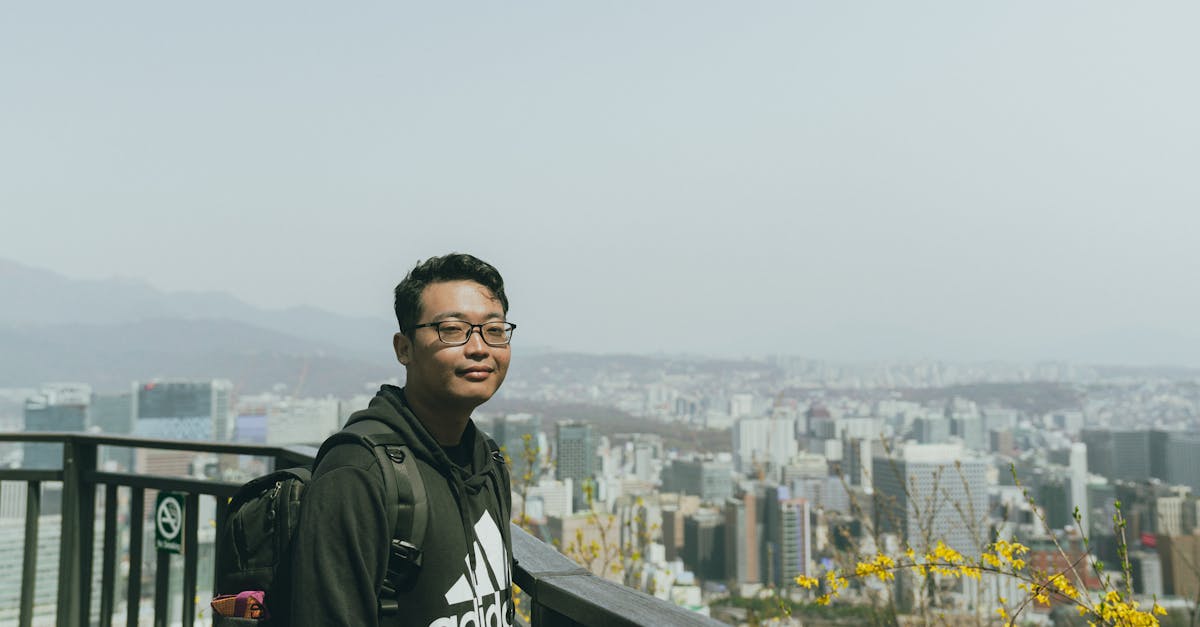
However, one of the challenges I faced was the language barrier. While many Koreans speak English, especially in tourist areas, it can be difficult to navigate daily tasks or find help in more local neighborhoods. Make an effort to learn basic Korean phrases; it will enhance your experience and help you connect with locals.
Best Coworking Spaces in Seoul#
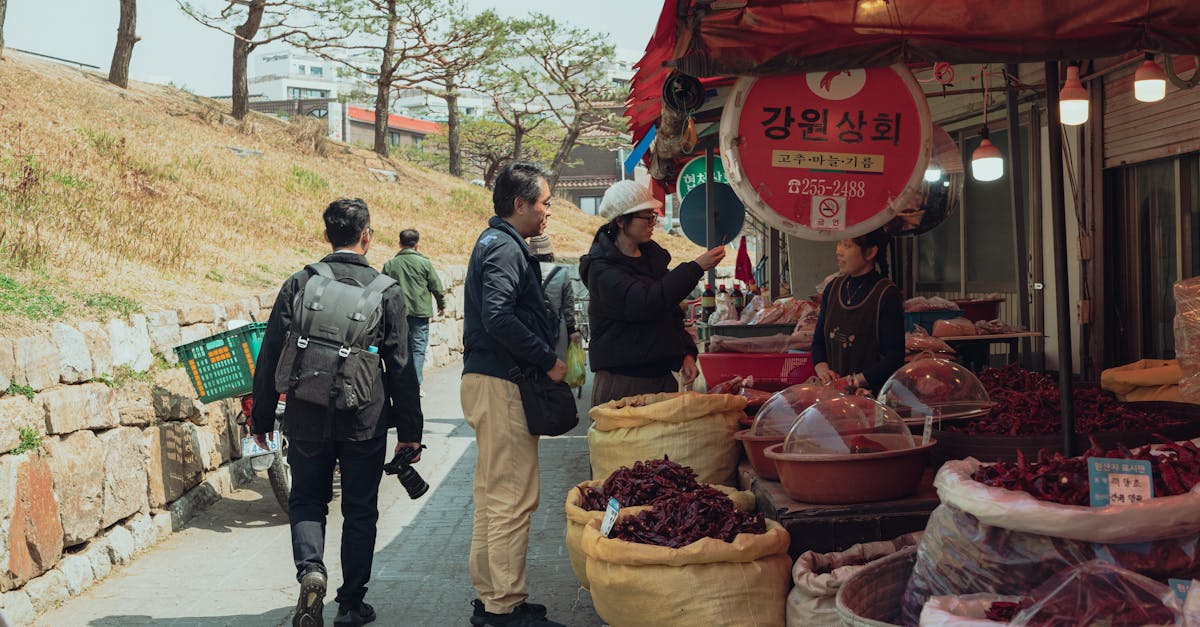
Seoul is home to a variety of coworking spaces that cater to different work styles and needs. One of the most notable is WeWork, which offers a professional atmosphere and various amenities such as high-speed internet and meeting rooms. 📍 View on Google Maps Located in the heart of the city, it’s a great place to network with other remote workers.
For those seeking a quieter environment, 엘리트 독서실 provides a study-like atmosphere, perfect for focused work. 📍 View on Google Maps This space is designed for individuals who prefer a more tranquil setting away from the hustle and bustle.
If you’re looking for a modern and stylish space, 스파크플러스 is an excellent choice. 📍 View on Google Maps · 🌐 Website 📍 View on Google Maps With its sleek design and comfortable workstations, it encourages productivity while also offering community events to foster collaboration. You can find more details about their offerings on their website.
Another fantastic option is 패스트파이브, which caters to startups and freelancers alike. 📍 View on Google Maps · 🌐 Website The lively community here allows for networking opportunities and collaboration, making it ideal for those looking to connect with others in the tech field.
Lastly, 토즈모임센터 offers flexible meeting rooms and workspaces that can be booked as needed. 📍 View on Google Maps · 🌐 Website This is perfect for those who may not require a full-time desk but still need a professional environment occasionally.
While these coworking spaces provide excellent facilities, they can be crowded during peak hours. Try to arrive early or consider off-peak hours to secure a good spot.
Internet SIM Cards and Connectivity#
Connectivity is crucial for any digital nomad, and Seoul does deliver. I found the availability of eSIM options particularly convenient. Airalo offers several plans tailored for different needs, such as an Unlimited GB South Korea travel eSIM valid for 30 days, which allowed me to stay connected without worrying about data limits.
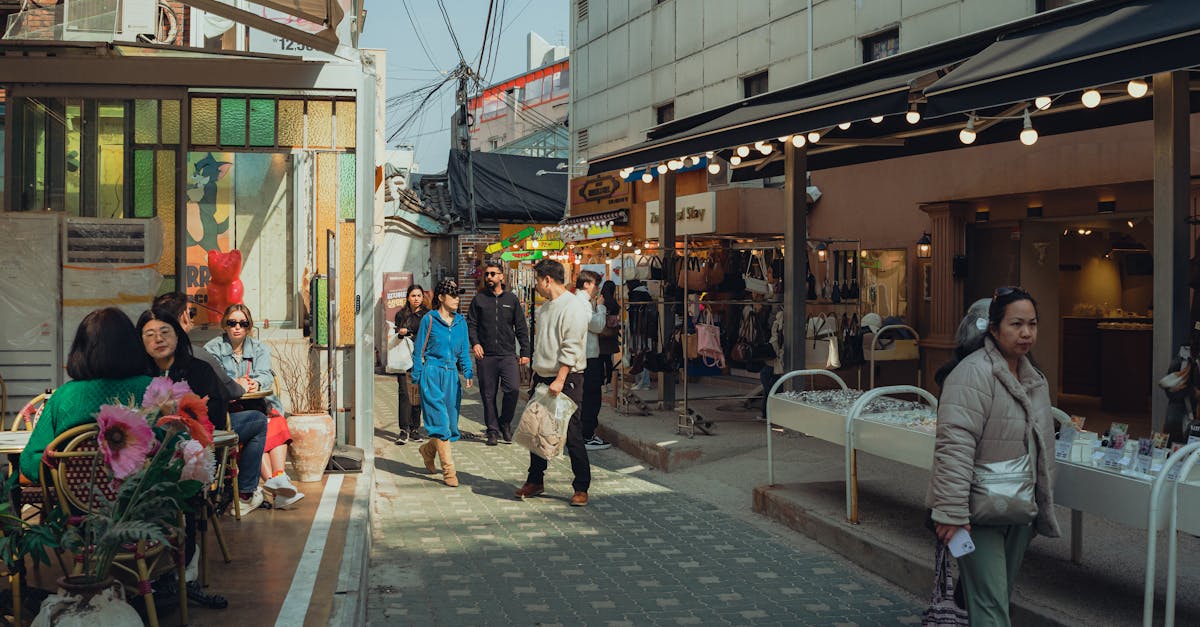
For shorter stays, options like the 1 GB South Korea travel eSIM valid for 7 days or the 2 GB South Korea travel eSIM valid for 15 days can be great for those who don’t need a long-term solution. The seamless integration of these eSIMs with my devices made it easy to get online right away.
Despite the strong connectivity, I did experience occasional slowdowns during peak hours, especially when using public Wi-Fi. Consider investing in a portable Wi-Fi device as a backup for those critical work moments.
Cost of Living for Nomads in Seoul#
Living in Seoul can be quite manageable for digital nomads, especially when compared to cities like New York or London . While exact figures on the cost of living weren’t provided, I found that many essentials, such as food and transportation, are reasonably priced. Eating out at local restaurants can cost around 10,000 KRW ($7.50 USD) for a filling meal, and public transport fares are generally low.
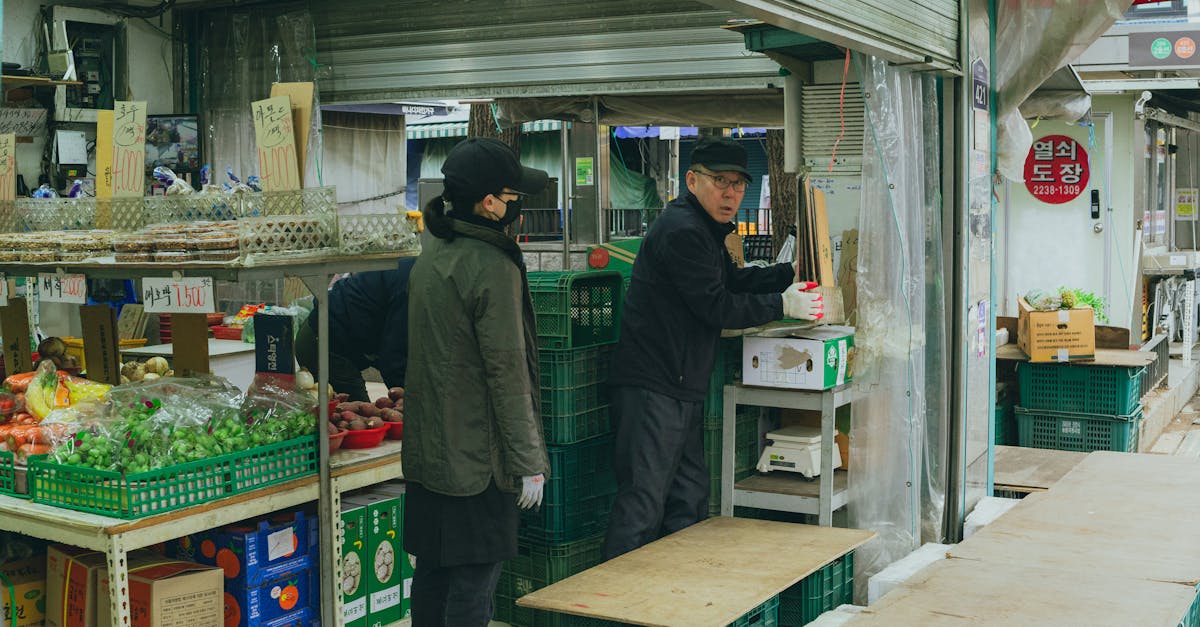
Housing options vary widely, from shared apartments to more upscale living arrangements. I found that renting a room in a shared apartment typically ranges from 400,000 KRW to 800,000 KRW ($300 to $600 USD) per month, depending on the location and amenities.
However, one downside I encountered was the higher cost of imported goods, which can be significantly more expensive than local products. Plan your grocery shopping around local markets to save money and enjoy fresh produce.
Visa and Stay Options#
Navigating visa requirements can be a daunting task for any traveler, but Seoul offers straightforward options for many nationalities. For instance, citizens from Canada can stay visa-free for up to 180 days, while citizens from the United States and the United Kingdom can enjoy a 90-day visa-free stay.
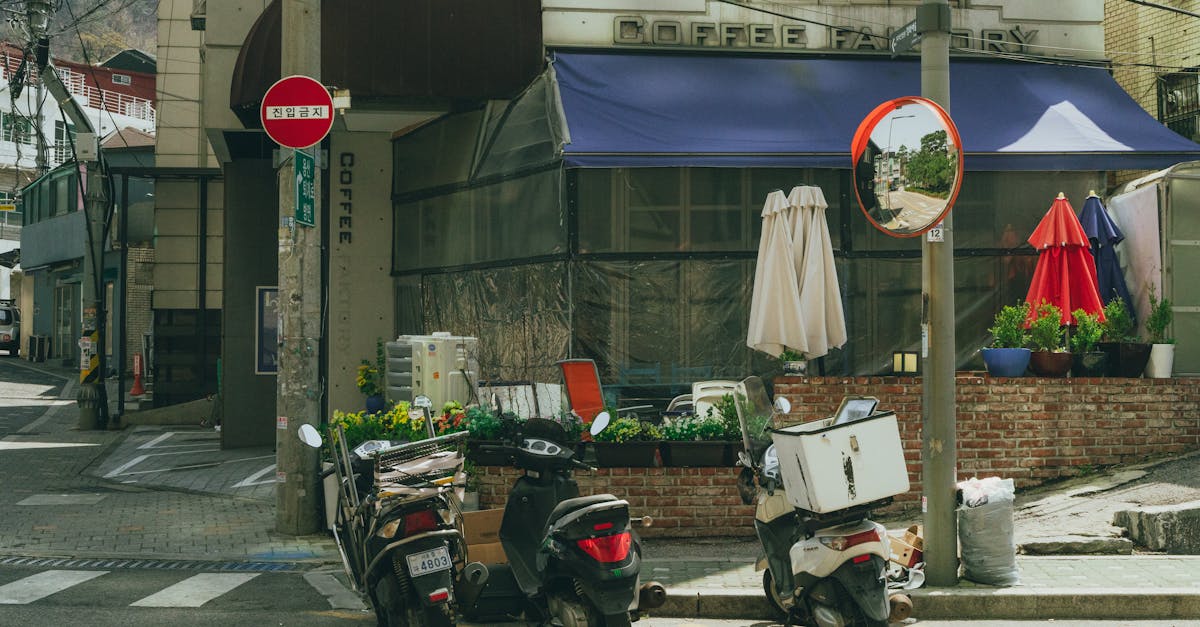
However, if you plan to stay longer, you may need to apply for a visa, which can involve paperwork and processing time. I recommend checking the official South Korean immigration website for the most accurate and up-to-date information on visa requirements.
One challenge I faced was understanding the different visa categories and which one applied to my situation. Consult with a local immigration expert or a fellow expat to clarify your options and ensure a smooth stay.
Neighborhoods and Where to Stay#
Finding the right neighborhood can greatly enhance your experience in Seoul. Areas like Gangnam are known for their modern vibe and proximity to many coworking spaces, making it a popular choice for digital nomads. It’s filled with cafes, restaurants, and shopping options, perfect for unwinding after a day of work.
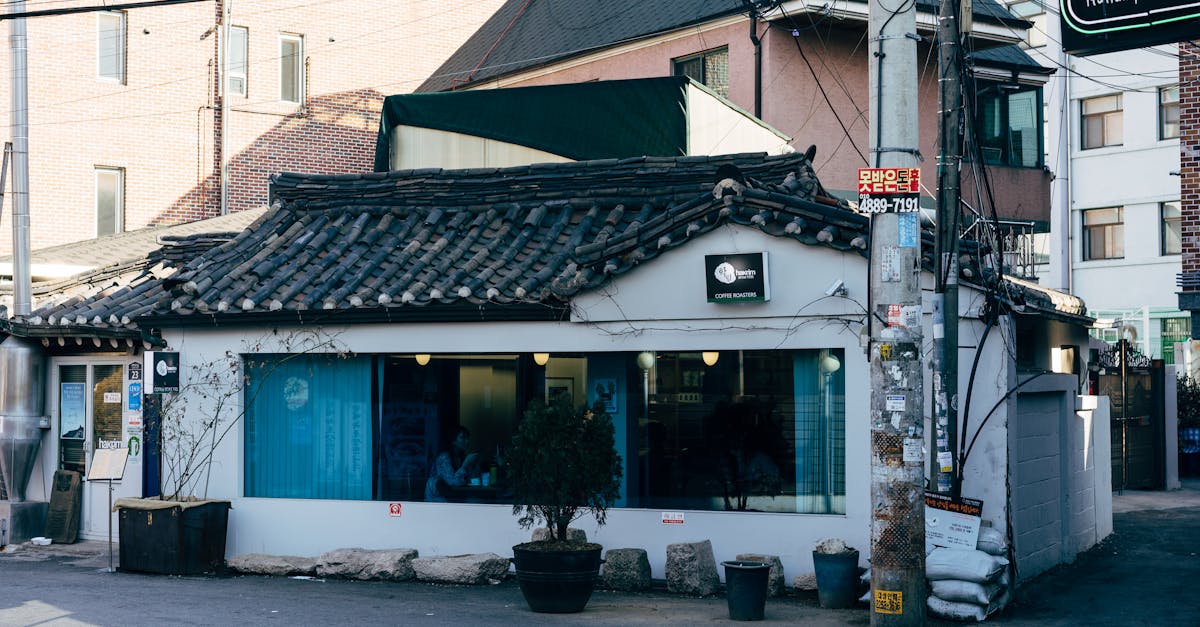
Hongdae is another fantastic neighborhood, particularly if you enjoy a youthful atmosphere. It’s known for its artsy vibe, with plenty of cafes and street performances. This area attracts a lot of students and young professionals, creating a lively community.
For a more traditional experience, consider staying in Insadong, where you can find tea houses and art galleries. This area offers a unique glimpse into Korean culture and is relatively close to many historical sites.
While these neighborhoods have their perks, they can also be more expensive than others. Research various accommodation options and consider staying in less touristy areas to save on costs while still enjoying easy access to the city.
Tips for Digital Nomads in Seoul#
Living and working in Seoul can be an incredible experience, but it’s essential to be prepared. One of the best pieces of advice I can offer is to embrace the local food scene. Korean cuisine is not only delicious but also affordable. Street food stalls offer a variety of options, from tteokbokki (spicy rice cakes) to kimbap (Korean sushi rolls), often for less than 5,000 KRW ($3.75 USD).
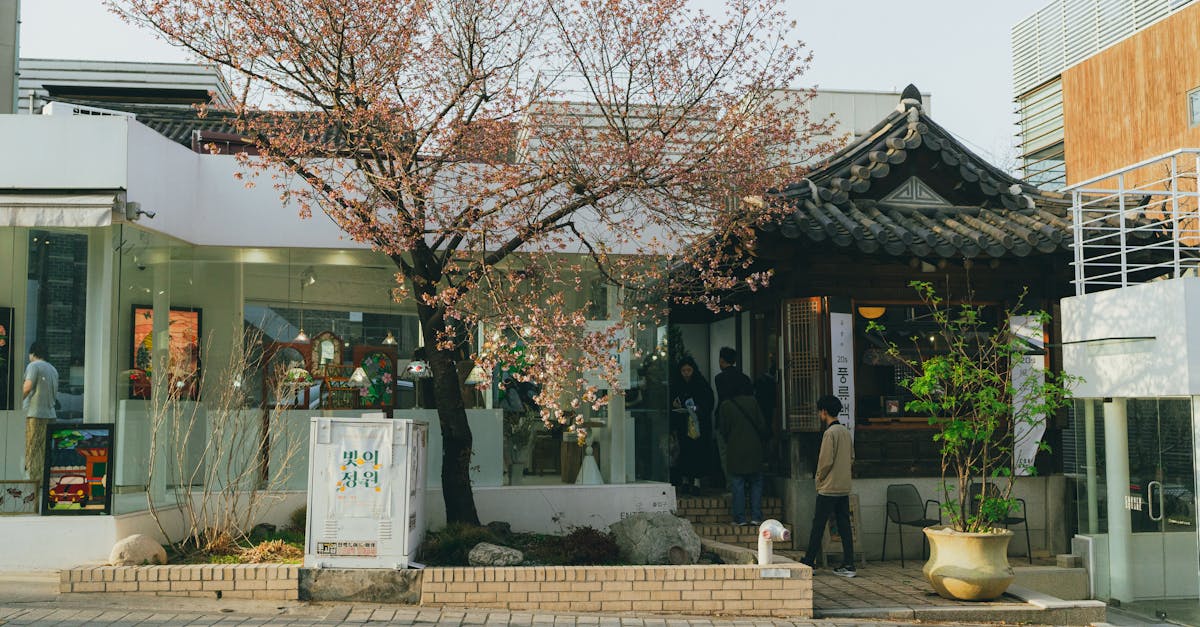
Another tip is to take advantage of the numerous parks and public spaces for a change of scenery. Places like Namsan Park or the Han River provide a peaceful environment to work or relax.
Despite the many positives, I found that the fast-paced lifestyle can be overwhelming at times. Take breaks and explore the quieter parts of the city to recharge your energy.
Seoul offers a dynamic environment for digital nomads, with its excellent coworking spaces, reliable connectivity, and a rich array of experiences. Whether you’re drawn to its modernity or its deep-rooted traditions, there’s something here for everyone.
If you’re considering a move to Seoul, I encourage you to take the plunge. The city awaits, ready to provide a unique backdrop for your remote work journey.
📌 Disclaimer
Prices, schedules, tour details, flight routes, visa requirements, and all other information on this page are based on data at the time of writing. Fares, availability, and policies may change. Please verify current details on the official website before booking.
📌 More about Seoul