📌 Disclaimer
Prices, schedules, tour details, flight routes, visa requirements, and all other information on this page are based on data at the time of writing. Fares, availability, and policies may change. Please verify current details on the official website before booking.
Why Digital Nomads Choose Sydney#
Sydney attracts remote workers because it is a genuine global city, not a tourist trap. When you work from here, you are surrounded by the same infrastructure that supports multinational corporations. The coffee culture is serious. The food scene is diverse. The public transport system, while complex, is reliable enough to get you from the inner west to the eastern suburbs without breaking a sweat. I have worked in cities where the “nomad scene” feels like a bubble, isolated from the rest of the population. In Sydney, the bubble bursts quickly. You are part of the city. You are buying your flat white at the same corner shop where a banker is buying his newspaper. This integration is rare. It forces you to engage with the local reality.

However, this integration comes with a cost. The social scene can be fragmented. People in Sydney are often busy, focused on their careers, or simply enjoying the outdoors. Building a deep community of fellow remote workers takes more effort here than in places like Chiang Mai or Lisbon. You have to make a conscious effort to find your people. The downside is that the city can feel isolating if you do not actively seek out connection. The weather is also a factor. It is unpredictable. One day you are in a t-shirt, the next you are in a coat. This variability can be annoying when you are trying to establish a routine. Yet, the sheer scale of the city means there is always something new to do, whether it is a hike in the Blue Mountains or a swim in Bondi Beach.
Bold actionable tip: Schedule one social event per week that is not work-related, such as a local hiking group or a language exchange, to combat the isolation that often comes with working in a major metropolitan hub.
Best Coworking Spaces in Sydney#
The coworking landscape in Sydney is mature. You will not find the chaotic, open-plan warehouses that are common in Southeast Asia. Instead, you will find polished, professional environments. The spaces in the CBD are often located in historic buildings or modern high-rises. They offer high-speed internet, quiet zones, and meeting rooms. I have worked in several of these spaces, and the quality of the amenities is consistently high. The Wi-Fi is fast. The coffee is good. The people are focused. It is a professional environment that supports deep work.

However, the cost reflects this quality. These spaces are not cheap. You are paying for convenience and professionalism. If you are on a tight budget, this might be a dealbreaker. Additionally, the spaces can feel sterile. They lack the quirky, community-driven vibe of some other cities. You are there to work, and that is all. There is less chance of stumbling into a chance conversation that leads to a collaboration. The downside is that the high cost can make it difficult to justify staying in a coworking space for an entire month if you are also paying high rent. It is a premium service. You get what you pay for, but you are paying a lot.
Bold actionable tip: Before committing to a monthly membership, buy a day pass for two or three different spaces in the CBD and inner west to see which environment matches your work style and budget.
Internet SIM Cards and Connectivity#
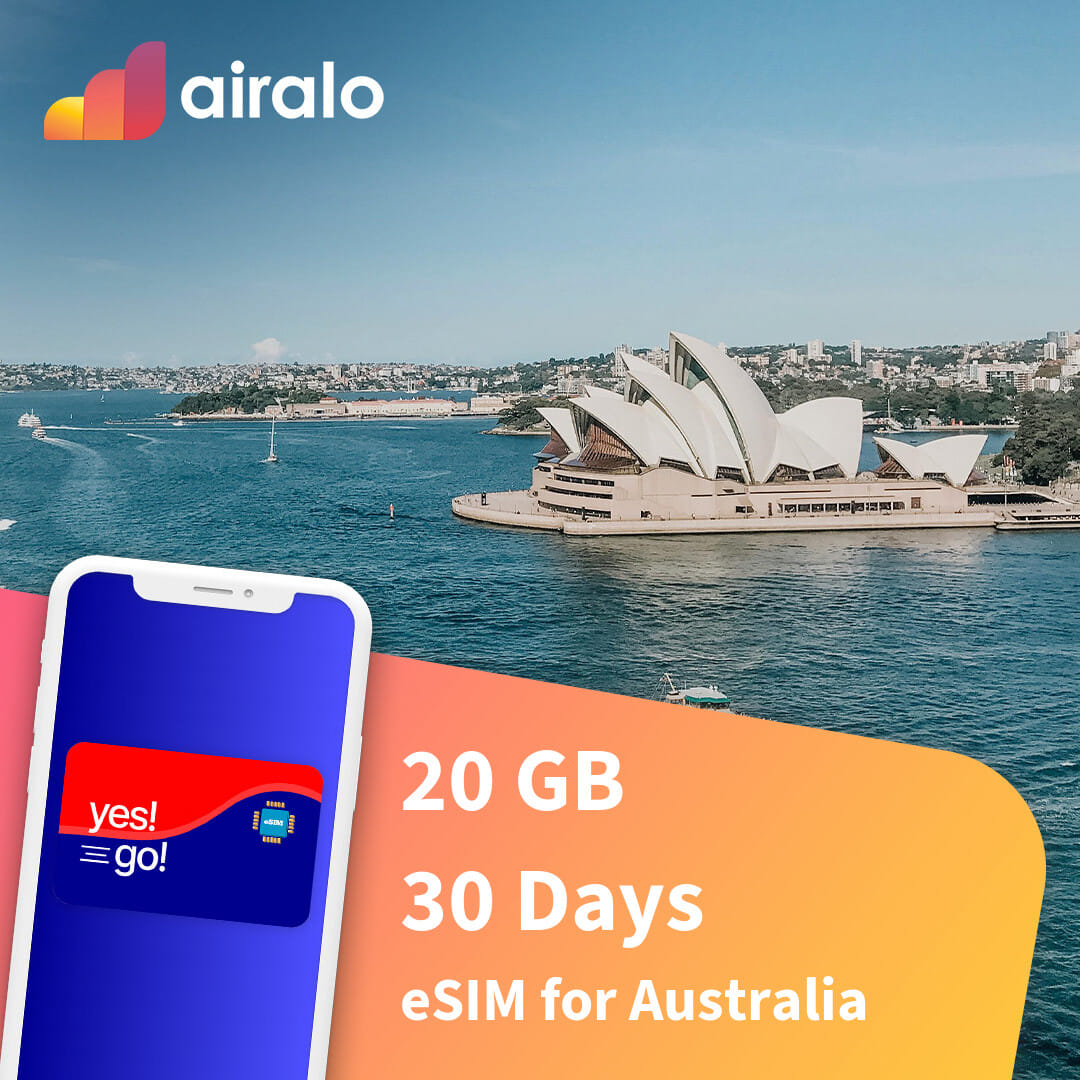
Connectivity in Sydney is excellent. The mobile networks are robust, and coverage is widespread, even in the outer suburbs. For a digital nomad, this means you can work from a café, a park, or a beach without worrying about dropping a call. The eSIM options available through providers like Airalo are particularly useful for short stays. You can choose from several plans, including a 3 GB plan for 30 days, a 5 GB plan for 30 days, a 10 GB plan for 30 days, a 20 GB plan for 30 days, and an Unlimited GB plan for 10 days. The Unlimited plan is a great option if you are streaming video or using your phone for heavy data tasks during a short trip. The 30-day plans are better for longer stays where you want a consistent connection without worrying about running out of data.

The downside is that the cost of data in Australia is higher than in many other countries. You are paying for a high-quality network, but it is not the cheapest option. If you are on a strict budget, you might find the cost of data to be a significant expense. Additionally, while coverage is good, it can be spotty in some remote areas. If you plan to work from the countryside or the outback, you need to check the coverage map for your specific provider. In the city, however, you will rarely have an issue. The networks are competitive, and they invest heavily in infrastructure. This means you can expect fast speeds and reliable connections.
Bold actionable tip: If you are staying for more than 10 days, opt for one of the 30-day eSIM plans (5 GB, 10 GB, or 20 GB) rather than the Unlimited 10-day plan, as the per-day cost is lower and you avoid the hassle of renewing a short-term pass.
Cost of Living for Nomads in Sydney#
Sydney is not a cheap city. This is the first thing you need to accept. The cost of living is high, particularly when it comes to housing. Rent in the CBD or inner suburbs can be expensive. You are paying a premium for the location and the lifestyle. Food and transport are also costly. A meal at a mid-range restaurant can easily exceed $30. Public transport is efficient, but it is not cheap. A single trip on the train or bus can cost several dollars. If you are commuting daily, this adds up quickly.

However, the high cost is offset by the quality of life. The city is clean, safe, and well-maintained. The public transport system is reliable. The healthcare system is excellent. You are paying for a high standard of living. If you are coming from a cheaper city, the shock might be significant. You need to budget carefully. It is easy to overspend in Sydney. The temptation to eat out, go to the beach, or enjoy the nightlife is strong. But if you cook at home, use public transport, and choose a more affordable neighborhood, you can manage your budget. The downside is that you will not be saving money while you are here. You are spending more than you earn in many other parts of the world. It is a luxury destination, not a budget one.
Bold actionable tip: Set a strict daily budget for food and transport, and stick to it by preparing meals in your apartment and using a multi-trip transport card to avoid paying full price for every single journey.
Visa and Stay Options#
The visa requirements for Australia depend on your passport. If you are from Canada, France, Germany, Ireland, Japan, Netherlands , Singapore, South Korea , United Kingdom , or United States , you can apply for an Electronic Travel Authority (ETA). This is a simple process that can be done online. It allows you to stay in Australia for up to three months at a time. If you are from New Zealand , you can enter Australia visa-free. If you are from Australia, you obviously do not need a visa. For other nationalities, you will need to apply for a visitor visa or a working holiday visa, depending on your age and eligibility.

The downside is that the process can be bureaucratic. You need to have the right documents, and you need to apply in advance. Do not wait until you are at the airport to sort out your visa. The ETA is convenient, but it is not guaranteed. You can be denied entry if you do not meet the requirements. Additionally, the stay is limited. If you want to stay longer, you need to leave the country and re-enter, or apply for an extension. This can be a hassle. It is important to understand the rules before you arrive. The visa system is strict, and you need to comply with it. The downside is that it can be stressful to manage your visa status while you are trying to work and enjoy your time in Sydney.
Bold actionable tip: Check the specific visa requirements for your passport well in advance of your trip and ensure you have all necessary documents ready, as the ETA process, while simple, requires approval before you board your flight.
Neighborhoods and Where to Stay#
Choosing where to stay in Sydney is a big decision. The city is large, and the neighborhoods have distinct personalities. The CBD is convenient for work, but it can be noisy and crowded. The inner west, including areas like Newtown and Surry Hills, is popular with young professionals and creatives. It has a lively cafe scene and a lively nightlife. The eastern suburbs, including Bondi and Bronte, are great if you love the beach. They are more residential and quieter. The northern beaches are also popular, but they can be a bit far from the city center.

The downside is that the cost of rent varies significantly by neighborhood. The CBD and inner west are more expensive. The outer suburbs are cheaper, but they are further from the action. You need to decide what is important to you. Do you want to be close to work? Do you want to be close to the beach? Do you want a quiet place to sleep? There is no perfect neighborhood. Each has its pros and cons. The CBD is convenient, but it can feel sterile. The inner west is lively, but it can be noisy. The eastern suburbs are beautiful, but they can be expensive. You need to find the balance that works for you.
Bold actionable tip: Spend a few days in a short-term rental in your target neighborhood before signing a long-term lease to experience the daily commute and local vibe at different times of day.
Tips for Digital Nomads in Sydney#
Working remotely in Sydney requires a different mindset than in other cities. The pace is fast. The expectations are high. You need to be disciplined. The temptation to socialize is strong, but you need to focus on your work. The city is not as forgiving of laziness as some other places. You need to be productive. The downside is that the pressure can be stressful. You need to find a balance. Take breaks. Go for a walk. Enjoy the city. But do not let it get in the way of your work.

Another tip is to be aware of the time zone. Sydney is ahead of many other parts of the world. If you are working with clients in Europe or the US, you need to adjust your schedule. The time difference can be challenging. You might need to work late or early. This can be tiring. You need to manage your energy. The downside is that it can be difficult to maintain a healthy work-life balance. You need to be careful not to burn out. The city is demanding. It requires your attention. But it is also rewarding. You can achieve a lot in Sydney. You can build a successful remote career. You can enjoy a high quality of life. But you need to be prepared for the challenges.
Bold actionable tip: Establish a fixed “shutdown” time each day where you close your laptop and step away from work, regardless of the time zone differences with your clients, to protect your mental health and prevent burnout.
Sydney is not for everyone. It is expensive. It is fast-paced. It is demanding. But it is also a city that offers a lot. It is a place where you can work hard and play hard. It is a place where you can grow as a professional and as a person. If you are looking for a quiet, cheap place to hide away, Sydney is not the right choice. But if you are looking for a dynamic, exciting place to work and live, Sydney is a great option. It is a city that will challenge you. It will push you. It will make you better. But it will also reward you. The view from the harbor is worth the effort. The coffee is worth the price. The experience is worth the cost. Come to Sydney. Work hard. Play hard. And enjoy the ride.
Ready to start your remote work journey in Sydney? Check the latest eSIM plans and visa requirements for your passport to ensure a smooth arrival.
📌 Disclaimer
Prices, schedules, tour details, flight routes, visa requirements, and all other information on this page are based on data at the time of writing. Fares, availability, and policies may change. Please verify current details on the official website before booking.
Top Tours & Activities
📌 More about Sydney
📌 More about Sydney