📌 Disclaimer
Prices, schedules, tour details, flight routes, visa requirements, and all other information on this page are based on data at the time of writing. Fares, availability, and policies may change. Please verify current details on the official website before booking.
Why Digital Nomads Choose Ubud#
Choosing to base yourself in this inland town means trading the salt-crusted air of the coast for a landscape dominated by terraced rice paddies and deep jungle ravines. The primary draw for those of us who work remotely is the specific community dynamic that has evolved here over the last decade; it is a hub for wellness, yoga, and a slower, more intentional lifestyle that contrasts sharply with the high-energy atmosphere of places like Canggu. However, this environment comes with a significant trade-off: the traffic congestion in the central streets is intense, and because the town is not designed for modern vehicle volume, moving just a few kilometers can take thirty minutes during peak hours. You are choosing a location that prioritizes a specific lifestyle over convenience, and you must be prepared to navigate the narrow, sidewalk-less roads that define the local commute. Prioritize finding accommodation within walking distance of your primary workspace to avoid the daily frustration of navigating heavy traffic on a scooter.
Best Coworking Spaces in Ubud#
Infrastructure for remote work in this region is centered around a few key hubs, though options are more limited than in larger metropolitan areas. The primary facility currently serving the professional community is Beluna Coworking Space. 📍 View on Google Maps This space offers a dedicated environment for those who find the local cafe culture too distracting or unreliable for deep work sessions. The workspace is designed to cater to the specific needs of digital nomads, focusing on stable power and a professional atmosphere that allows for sustained productivity. The main challenge with relying on a single primary space is that if connectivity issues arise or the space reaches full capacity, you have fewer alternatives compared to larger cities. Because there is only one facility listed in the available data, you should have a backup plan, such as a high-quality mobile hotspot or a secondary cafe with a verified generator, to ensure your workflow remains uninterrupted during the frequent local power fluctuations. Always keep a secondary power bank and a local SIM card with a data plan ready to serve as your internet failover in case the primary workspace experiences a local power outage.
Internet SIM Cards and Connectivity#
Maintaining a consistent connection is the most critical logistical task for any remote worker operating out of Indonesia. Relying solely on public or residential Wi-Fi can be a gamble, as speeds vary significantly depending on the specific provider and the location of your villa. To mitigate this, I rely heavily on eSIM technology, which provides a reliable bridge when the local fiber optic cables inevitably suffer from maintenance issues or storm damage. Airalo offers several specific plans for Indonesia that are essential for maintaining uptime: the Unlimited GB Indonesia travel eSIM valid for 10 days, the 20 GB Indonesia travel eSIM valid for 30 days, the 10 GB Indonesia travel eSIM valid for 30 days, the 5 GB Indonesia travel eSIM valid for 30 days, and the 3 GB Indonesia travel eSIM valid for 30 days. These options allow you to scale your data usage based on your actual work requirements, though you must remember that even the best mobile data can struggle during heavy rainstorms. Download your most critical files and assets during the early morning hours when network traffic is lower and the connection is generally more stable.
Cost of Living for Nomads in Ubud#
Managing your budget in this part of the world requires an understanding that while local goods are generally affordable, imported items and high-end services often carry a premium that can surprise newcomers. Your daily expenses will be significantly lower than in Western Europe or North America if you choose to eat at local warungs and shop at traditional markets, but your costs will rise quickly if you insist on Western-style cafes and imported grocery store items. Rent is the largest variable; a simple room in a shared villa is significantly cheaper than a private boutique villa with a pool. The downside is that the cost of living here is rising due to increased demand, and the lack of public transportation means you will likely need to budget for scooter rental and fuel, which adds up over time. Because I do not have access to specific local currency cost data, I advise you to track your spending for the first two weeks to establish a baseline before committing to a long-term lease. Set a strict monthly budget that accounts for both your fixed rent and an additional 20% buffer for unexpected costs like scooter repairs or private medical consultations.


Visa and Stay Options#
Navigating the entry requirements for Indonesia is a process that demands attention to detail, as the rules change frequently and are strictly enforced. For many nationalities, including travelers from Australia, Canada, France, Germany, Ireland, Japan, Netherlands , New Zealand , South Korea , the United Kingdom , and the United States , the Visa on Arrival is the standard method for entry. Citizens of Singapore are fortunate to have visa-free access for 30 days. The main challenge here is that these visas have strict expiration dates and are not always extendable without significant bureaucratic effort or leaving the country entirely. You must ensure your passport has at least six months of validity remaining, or you will be denied boarding at your point of origin. Do not assume that you can simply overstay your visa; the fines are steep and the administrative consequences can complicate future travel to the region. Check the official Indonesian immigration website one week before your flight to confirm that your specific passport type has not had its visa status changed.
Neighborhoods and Where to Stay#
Choosing where to base yourself is a decision between the convenience of the town center and the tranquility of the surrounding rice fields. Staying in the center puts you within reach of the markets and the main coworking facilities, but it also exposes you to the constant noise of motorbikes and the smell of exhaust. The outskirts, such as Penestanan or Sayan, offer a more peaceful experience with better views, but they require a longer commute to reach the main amenities. The downside of the outer neighborhoods is that they are often darker at night and can feel isolated if you do not have your own reliable transportation. I have found that living slightly outside the center provides a better quality of sleep, which is essential for maintaining a high level of productivity throughout the week. Test your potential neighborhood by booking a short three-night stay before committing to a monthly rental contract to ensure the noise levels and commute times meet your personal requirements.
Tips for Digital Nomads in Ubud#
The climate in this region is defined by a distinct wet season that can impact your ability to work if you are not prepared. Between January and March, you are looking at significant rainfall, with December often recording as much as 353.5mm of rain over 28.8 days. The humidity during these months, often exceeding 88%, can be taxing on both your physical comfort and your electronic equipment. If you prefer drier conditions, prioritize your stay between June and August, when rainfall drops to approximately 97mm to 103mm per month and humidity levels are slightly more manageable at around 84% to 85%. Even in the driest months, the temperature remains consistent, hovering between 24C and 29C, so you do not need to pack heavy winter gear. The biggest challenge is the mold that grows rapidly in the humidity; keep your electronics in a dry box or a room with a dehumidifier running constantly. Invest in a high-quality dry bag for your laptop and camera gear to protect your equipment from sudden tropical downpours while you are commuting on a scooter.

If you are ready to take your remote career to the next level, start planning your transition to Bali by securing your accommodation and verifying your visa status today.
📌 Disclaimer
Prices, schedules, tour details, flight routes, visa requirements, and all other information on this page are based on data at the time of writing. Fares, availability, and policies may change. Please verify current details on the official website before booking.
📌 More about Ubud
📌 More about Ubud
Top Tours & Activities
10 GB Indonesia travel eSIM valid for 30 days
eSIM Plan
From $22
5 GB Indonesia travel eSIM valid for 30 days
eSIM Plan
From $14
3 GB Indonesia travel eSIM valid for 30 days
eSIM Plan
From $9
Unlimited GB Indonesia travel eSIM valid for 10 days
eSIM Plan
From $35
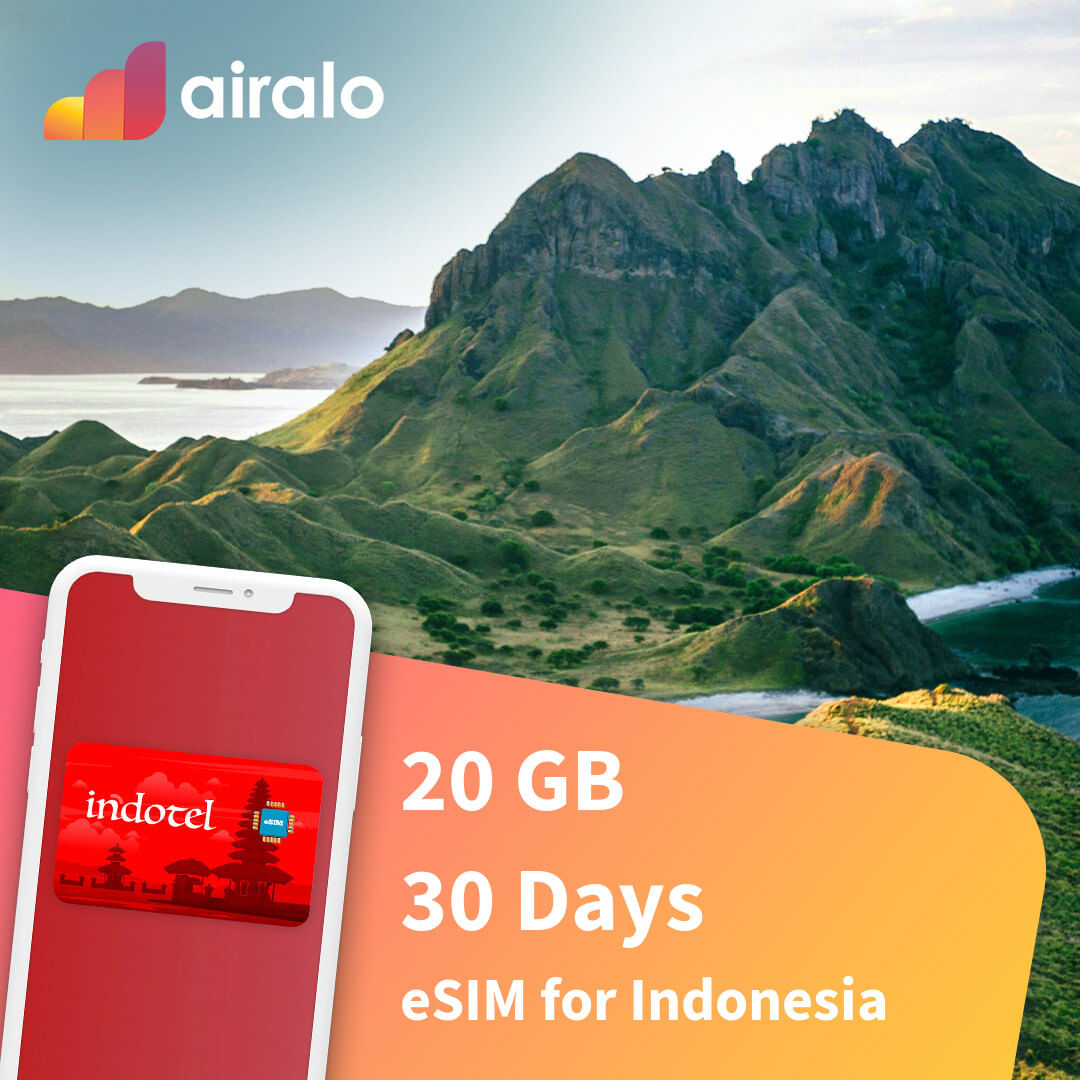
20 GB Indonesia travel eSIM valid for 30 days
eSIM Plan
From $35